



The point of the inspection
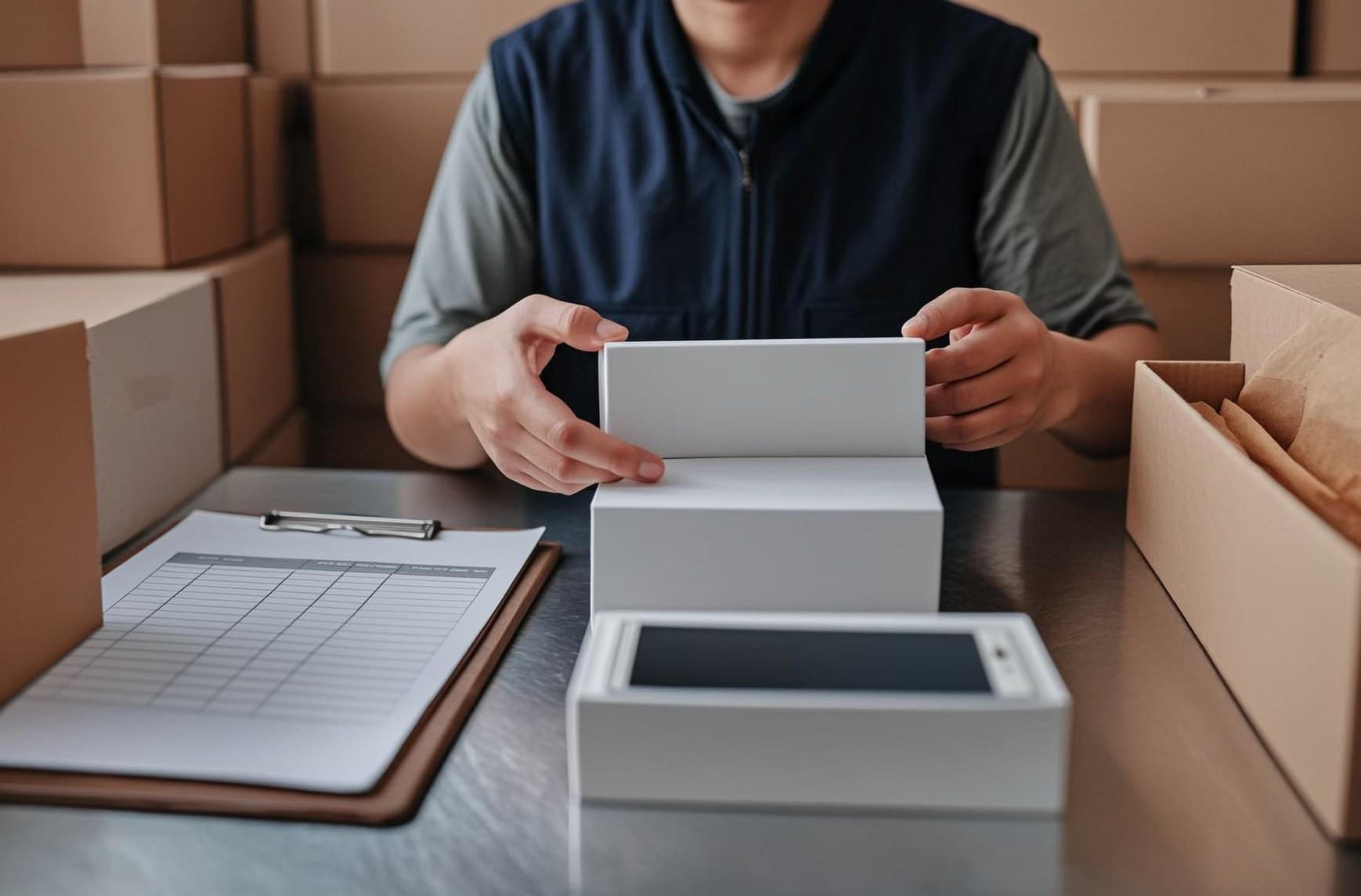
A pre-shipment inspection happens when production is finished and the goods are still at the factory. Nothing has been packed into containers yet, which is the last moment you can still fix something without shipping the problem to your customers.
The inspection does not prove the product is perfect. It gives you a recorded, photographed sample of the order so that you are making the decision to release the balance on evidence rather than on the supplier's word.
The five things we record
1. Quantity
We count what has actually been produced against what you ordered and what is written on the contract. Under-production is common late in an order, and it is much easier to settle at this stage than when the container is already sealed.
2. Workmanship
The inspector works through a checklist written from your specification and your approved sample: seams, finishes, colour, fit, surface defects and assembly. Defects are sorted into critical, major and minor, and the share of the order they represent is recorded.
3. Function
Where the product can be operated, it is operated. Switches cycle, batteries charge, seals hold, parts move the way they should. This is the step that catches a batch which looks correct on a shelf and fails in a customer's hands.
4. Packaging and transport
Cartons are checked for strength, drop markings, inner protection and the ratio of product to void. A product that survives the factory but is packed loosely will arrive damaged, and that cost lands on you.
5. Labels and marks
Barcodes, model numbers, country of origin, warnings, manual versions and retail marks are all compared against what you supplied. A correct product with the wrong label is a recall waiting to happen.
What you receive
You get a report with photographs, the measured defect rate against an agreed threshold, and a plain recommendation: accept, rework, or reject. Because the report reaches you before the balance is paid, the factory has a reason to act on it.
Inspections are booked per order, so you can use us for one shipment without taking on a full sourcing contract.